
DIGITAL TWINS Transfering Building Information Models (BIM) into Digital Twins
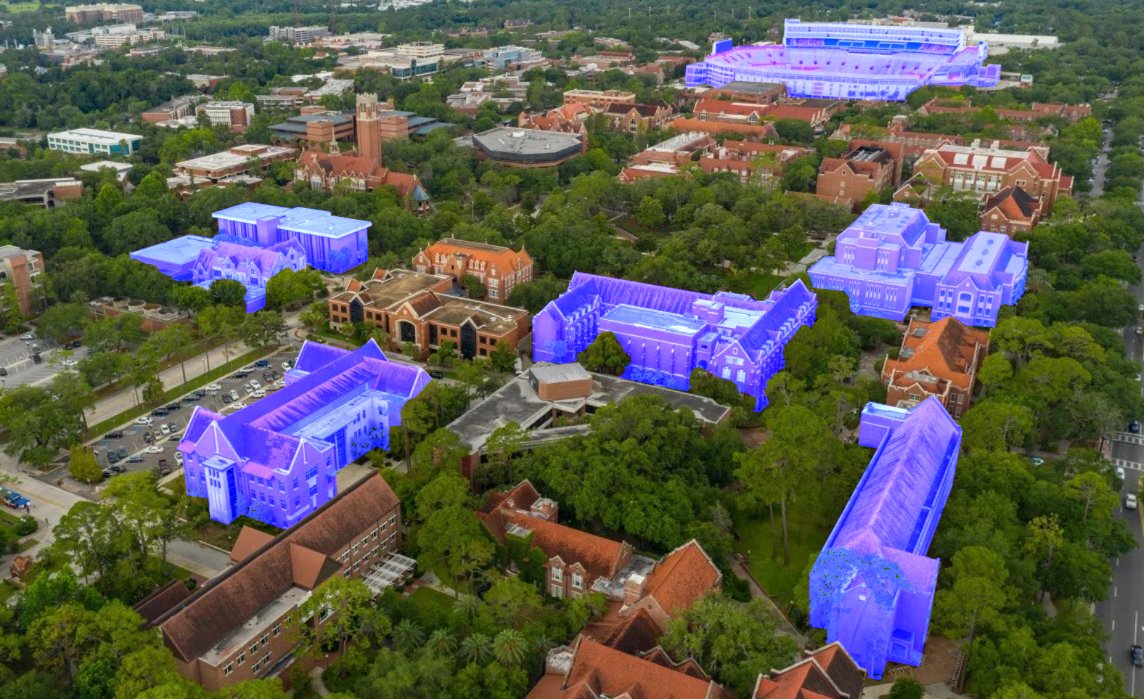
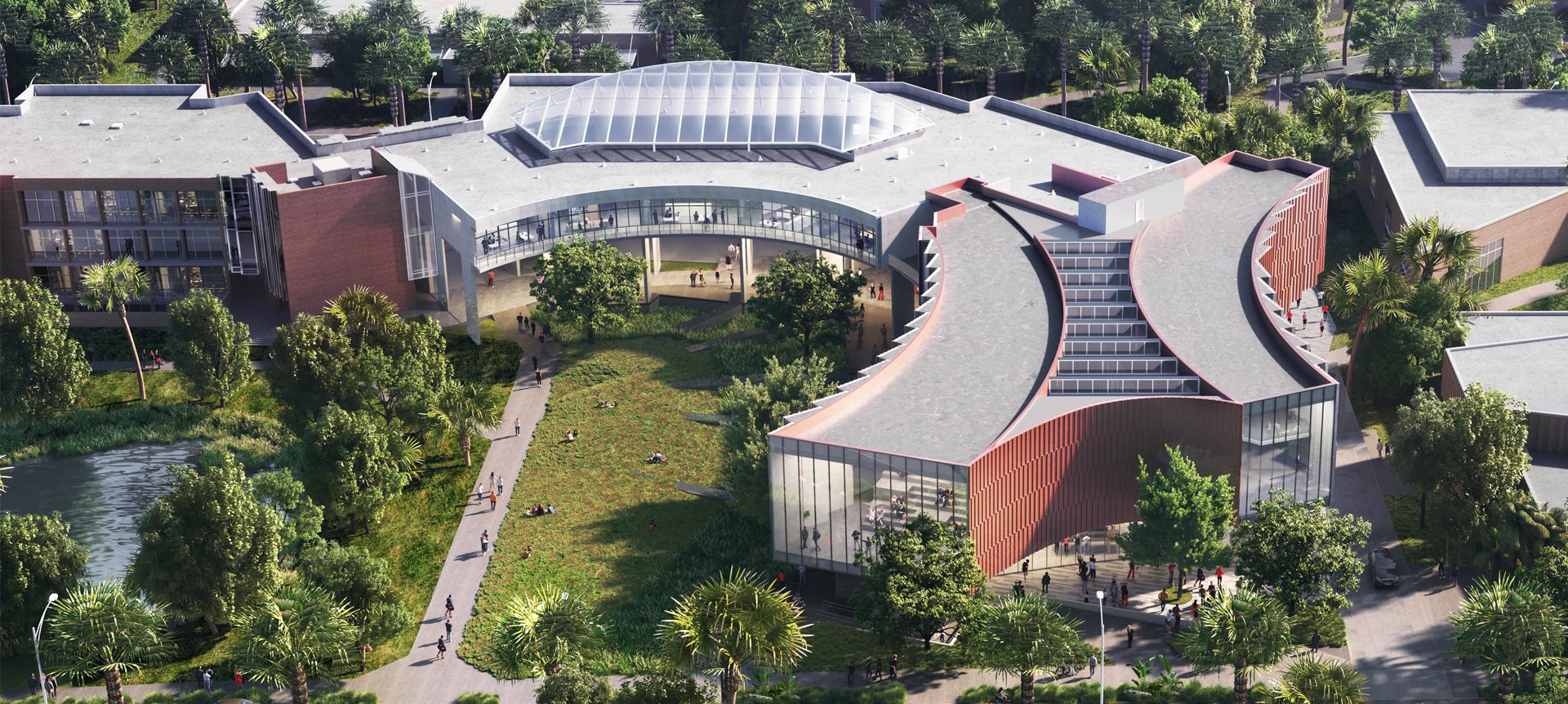
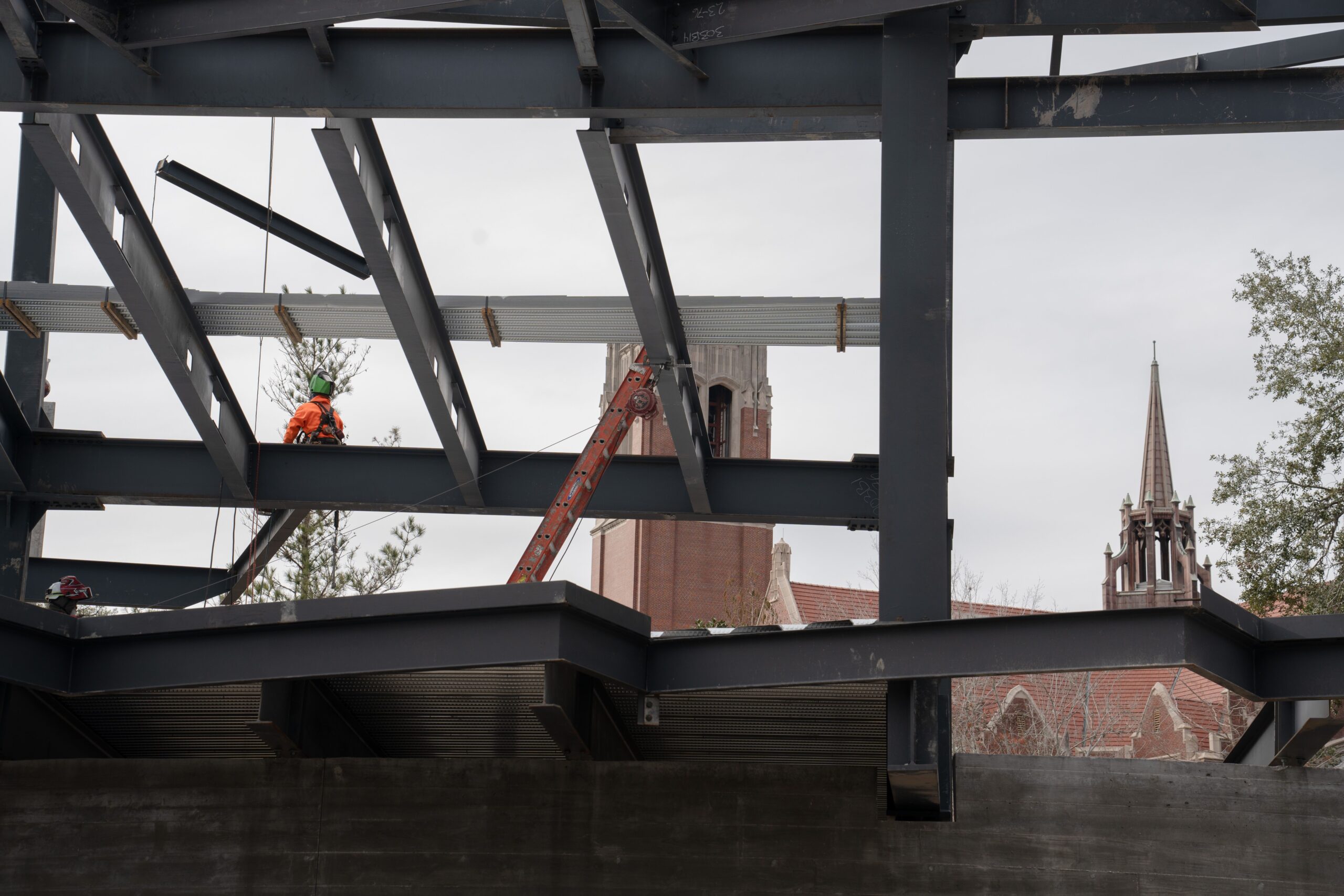
At the College of Design, Construction, and Planning (DCP) at the University of Florida, we are developing protocols to create Digital Twins (DTs) for various buildings at different stages of their lifecycles. By defining specific use cases and user groups, we are streamlining the integration of BIM and IoT data into the DT platform. This project is built on the OpenUSD framework, serving as the single source of truth within Omniverse Nucleus, and is accessible through UF's supercomputer, HiPerGator.
UF CAMPUS
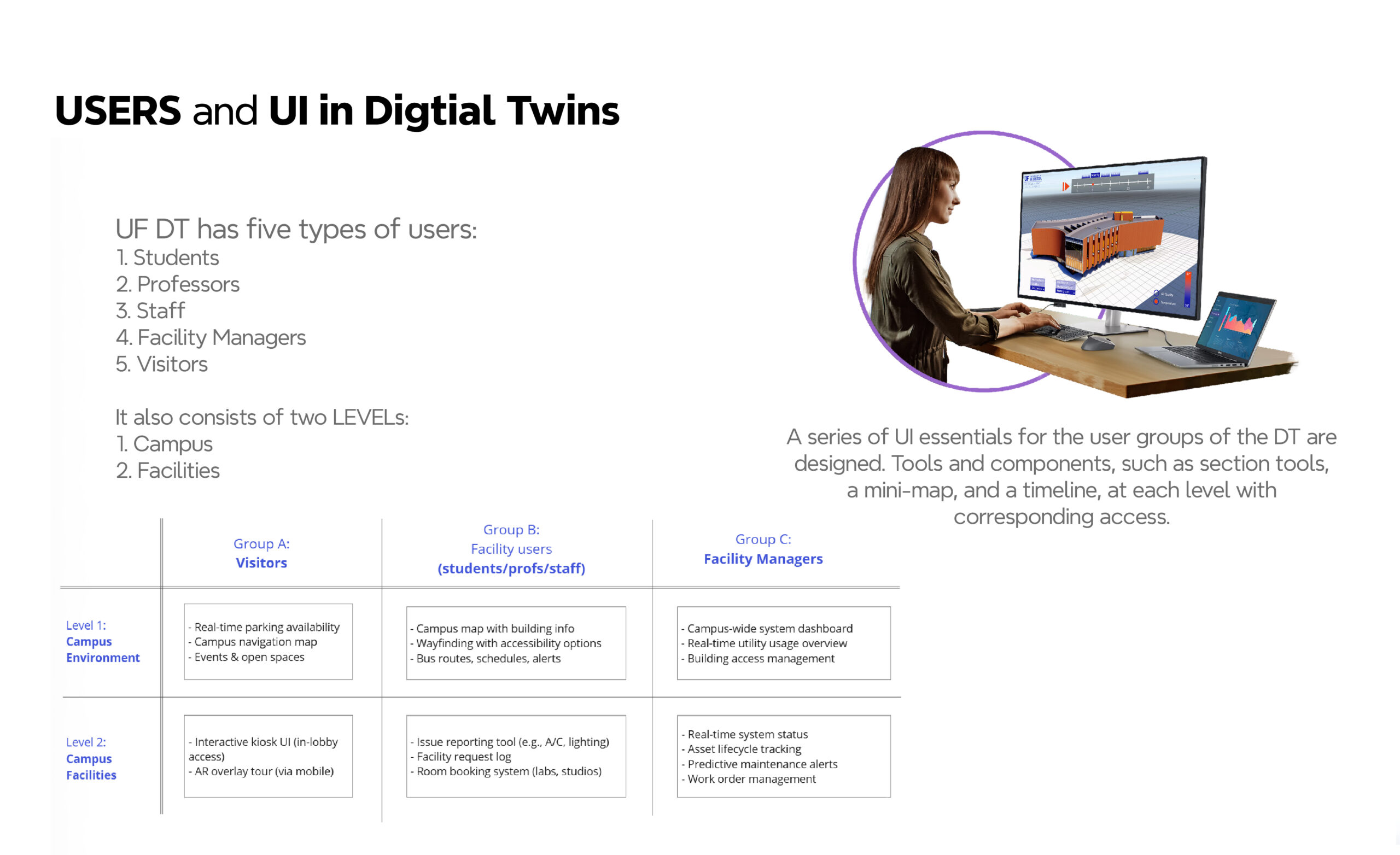
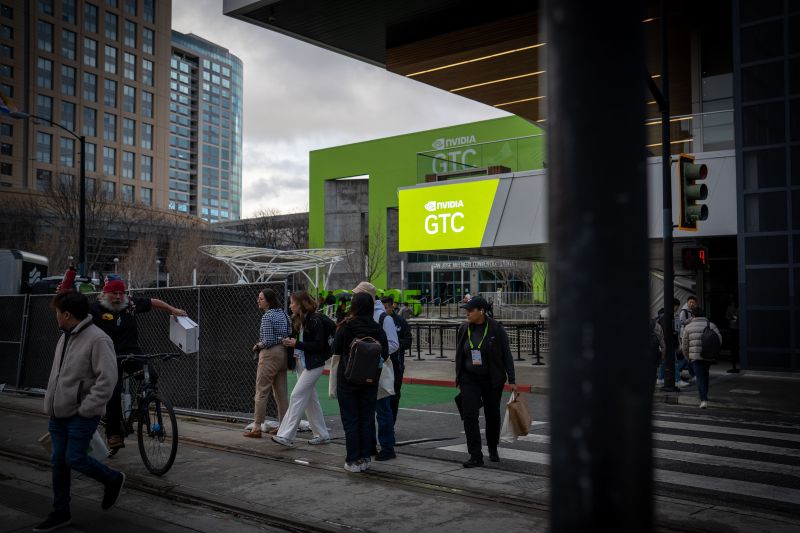
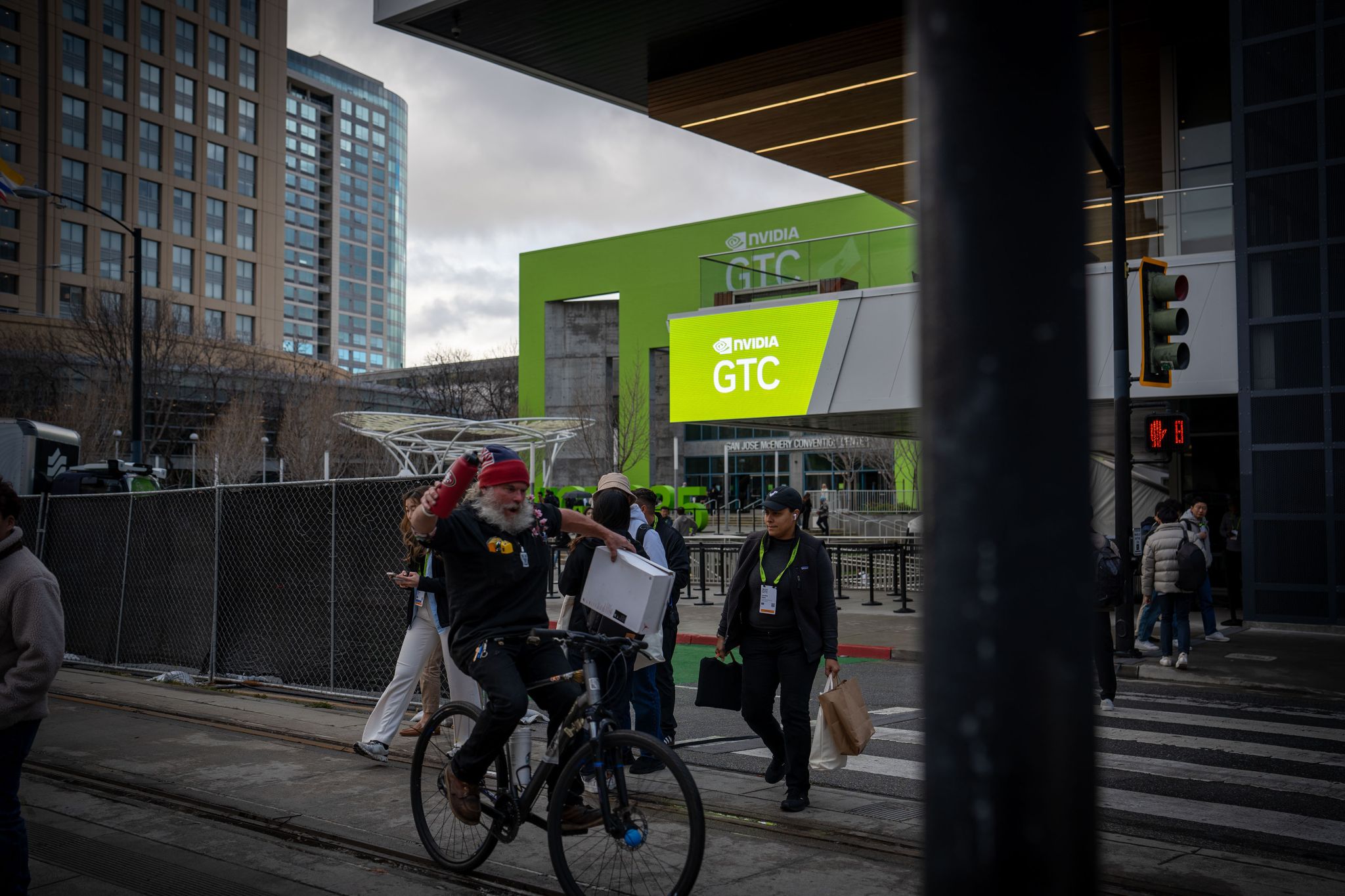
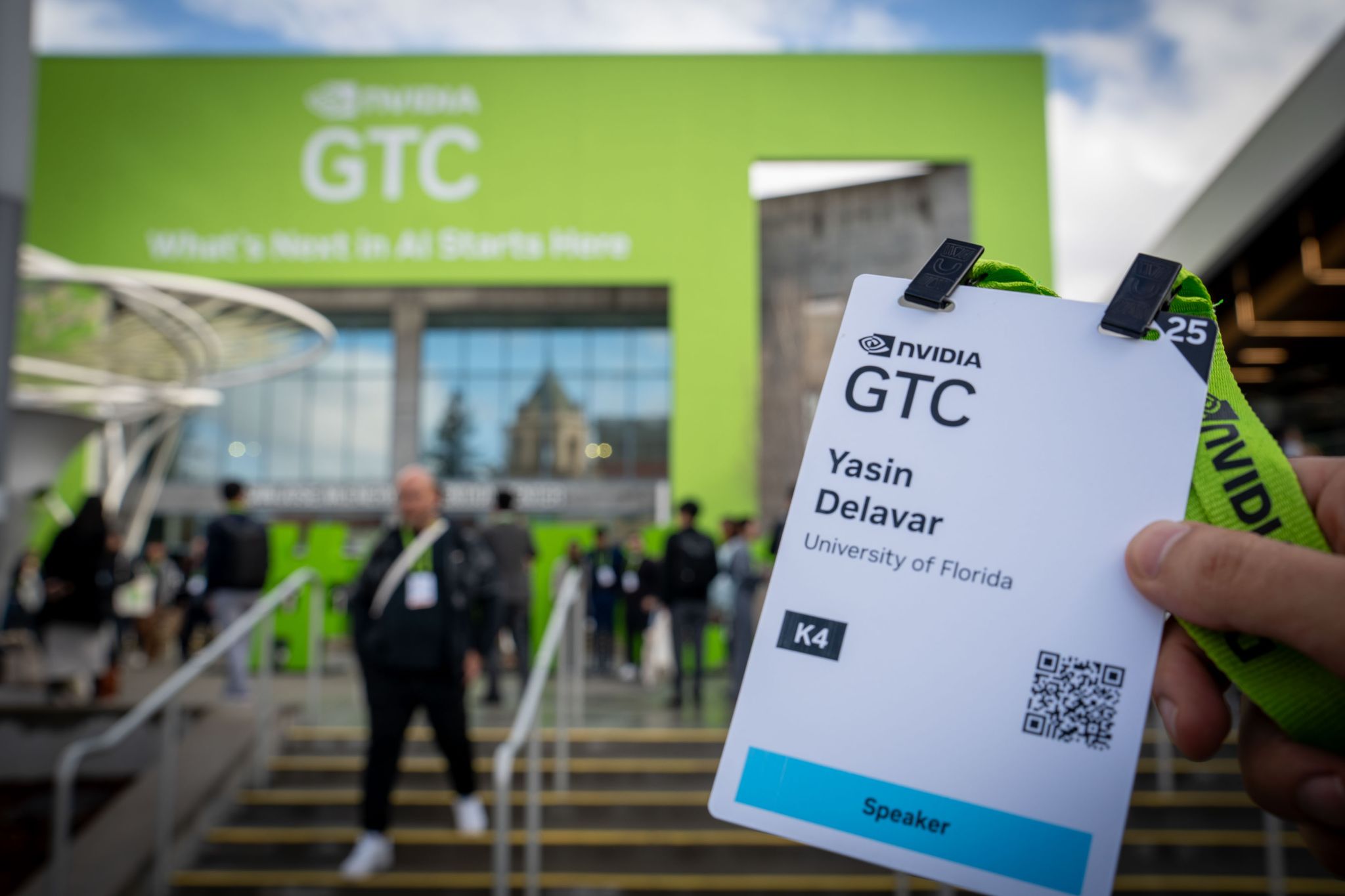
GTC 2025
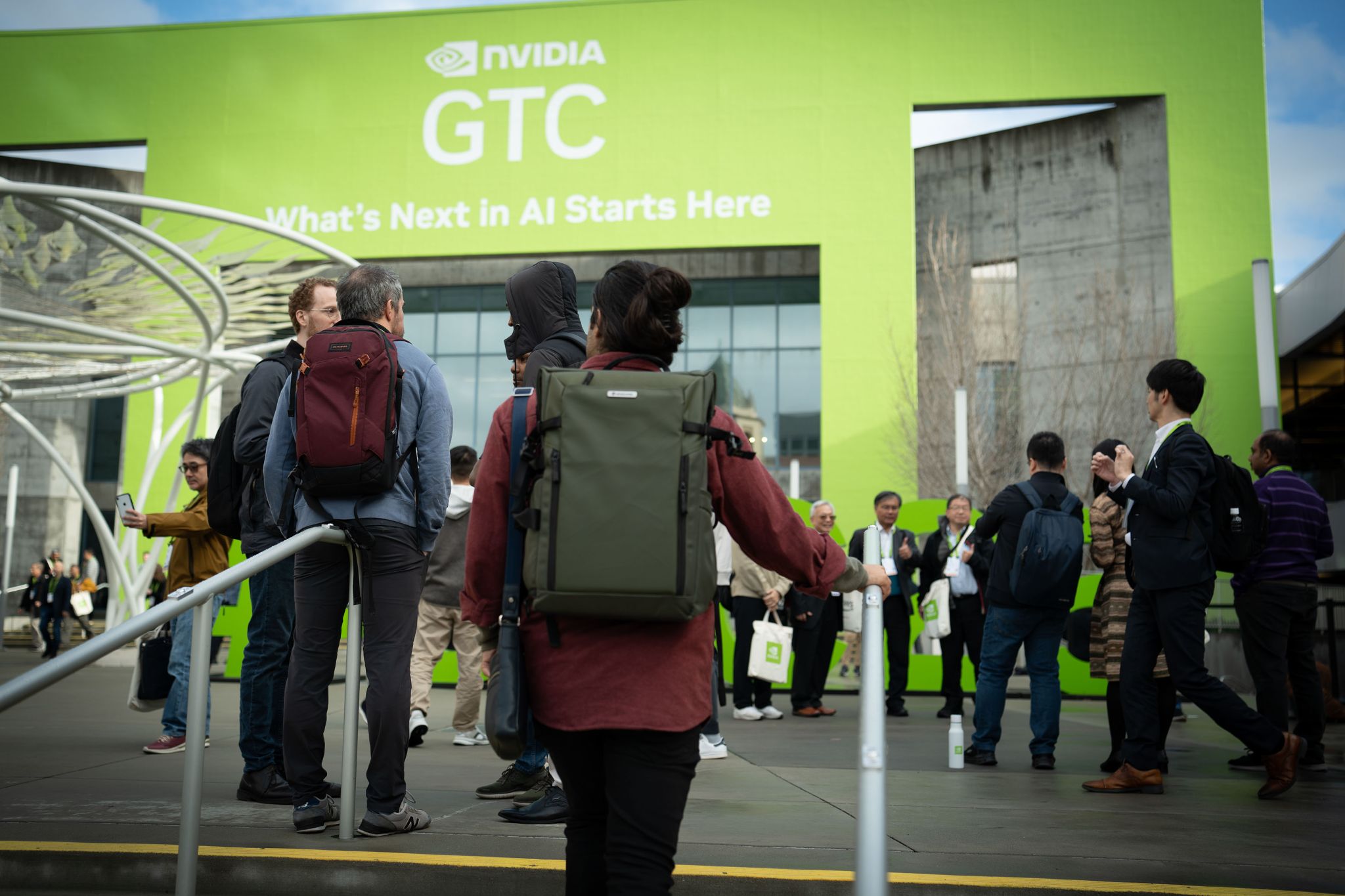
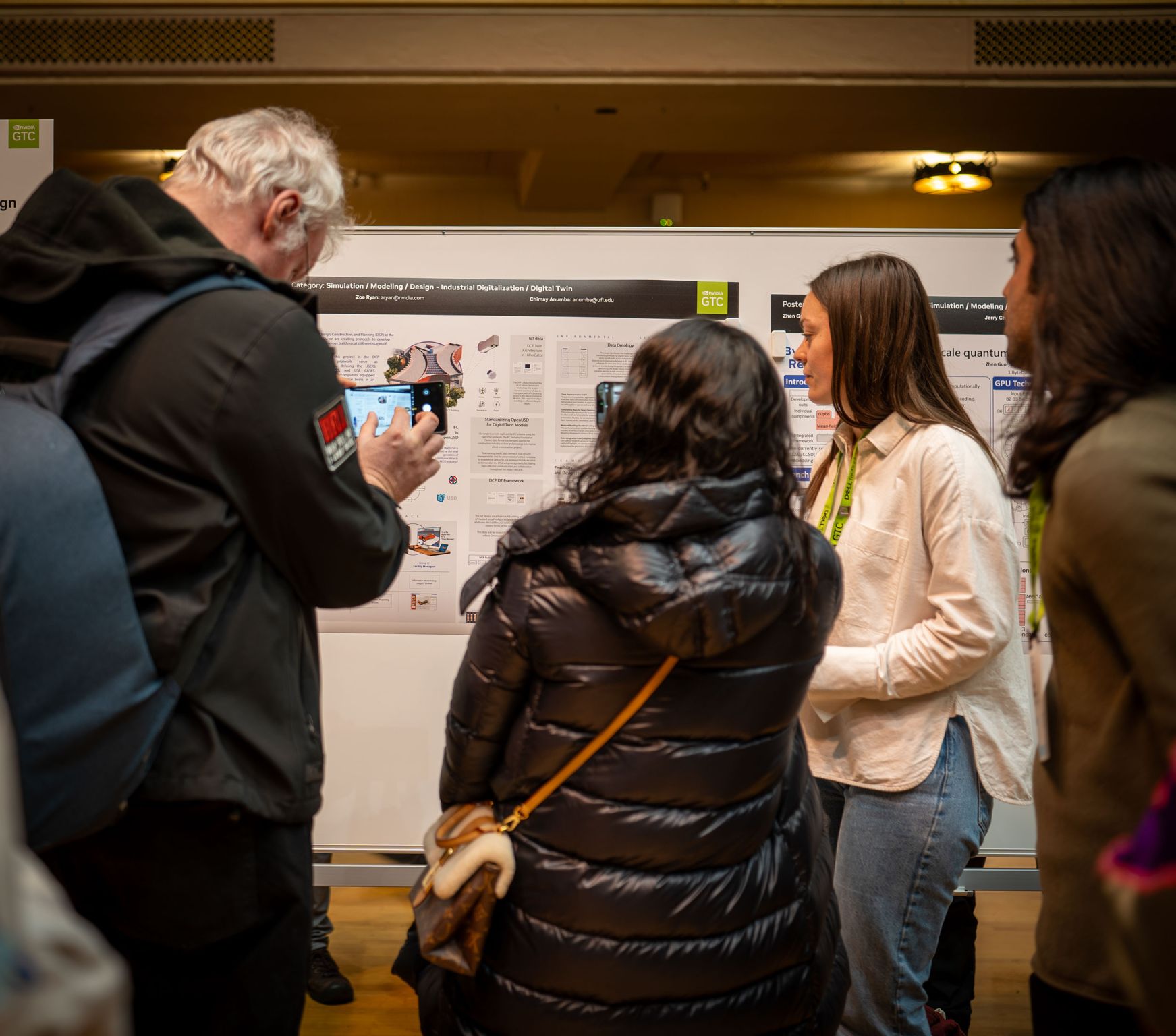
This poster outlines The UF DT project framework, goals, and novelty areas, exhibited at the GTC NVIDIA 2025 conference. poster gtc 2025
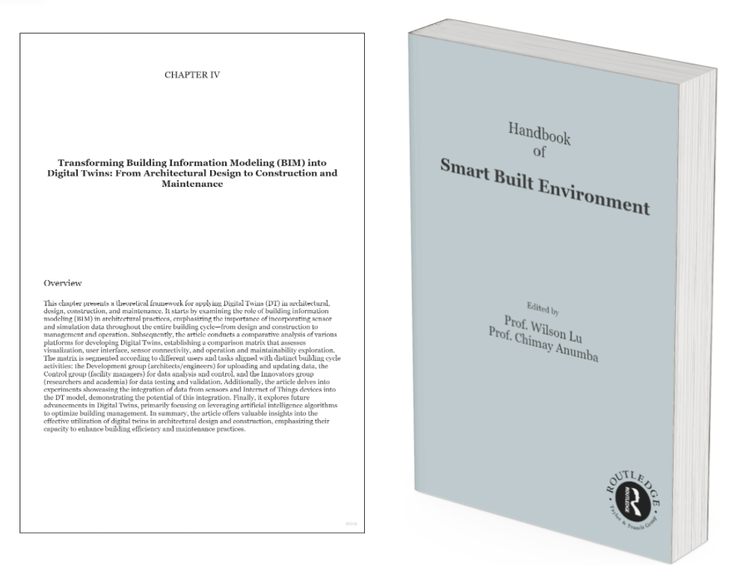
Book Chapter
This chapter presents a theoretical framework for implementing Digital Twins (DTs) in several stages of the building lifecycle, including design, construction, operation, and maintenance. It begins by exploring the function of Building Information Modeling (BIM) in design and construction, emphasizing the significance of incorporating data obtained from physical buildings through implementing the Internet of Things (IoT) across the building lifecycle. Later, it discusses how the level of detail in BIM models contributes to the creation of DTs by utilizing both 3D data and asset specifications from BIM models, along with real-time data gathered from IoT devices. Finally, it showcases a comparative matrix of platforms for developing DTs and evaluates visualization, user interface, and sensor connectivity. The matrix is organized based on the roles of various user groups aligned with distinct activities in the building lifecycle: the development group (architects, engineers, construction managers) responsible for uploading and updating data, the management group (facility managers) tasked with data analysis and operation and management, and the innovator group (researchers and academia) involved in data testing and validation. In conclusion, the chapter presents valuable insights into the effective utilization of DTs across various stages of the building lifecycle: design, engineering, construction, operation, and maintenance.book chapter