RAZAVI MUSEUM
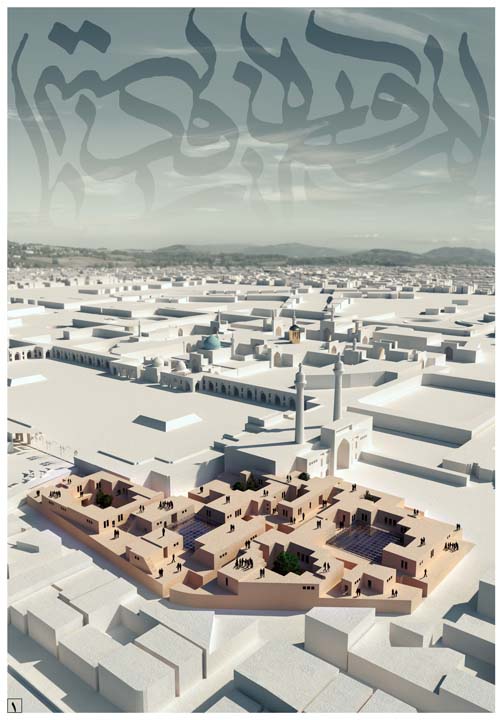
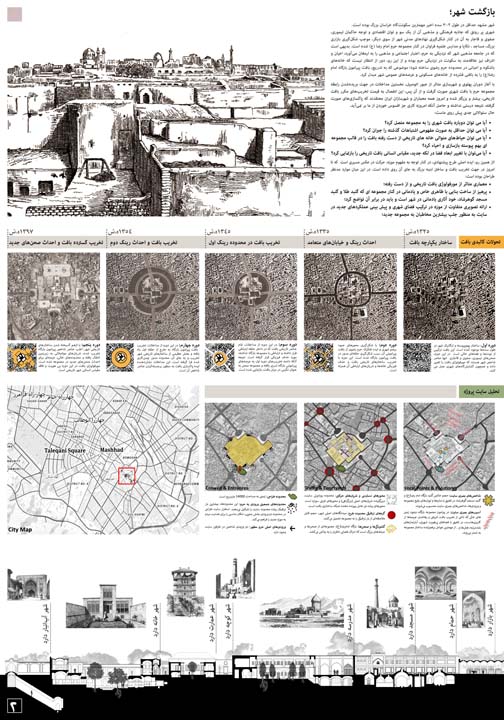
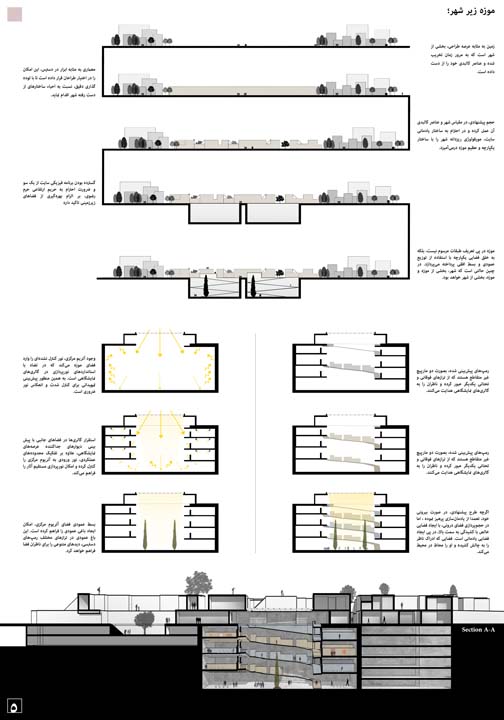
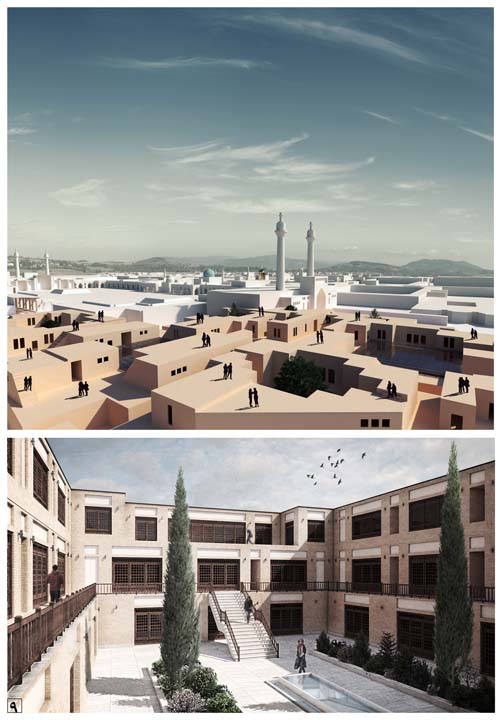
For centuries, people from different social backgrounds chose to live beside the Imam Reza Shrine. The demand for bazaars, mosques, schools, and other civic functions gradually shaped a dense urban fabric around the shrine. In recent decades, however, the growing dominance of vehicular infrastructure and large scale interventions in the surrounding areas disrupted this historic relationship, creating a physical and spatial gap between the shrine and the city. This project emerged from three central questions:
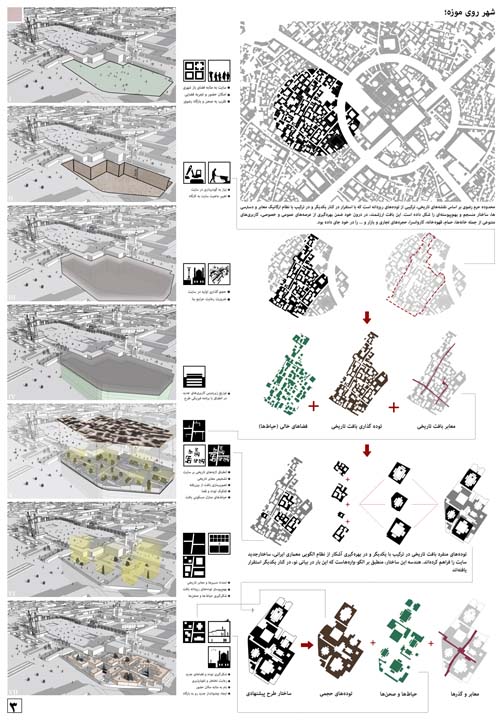
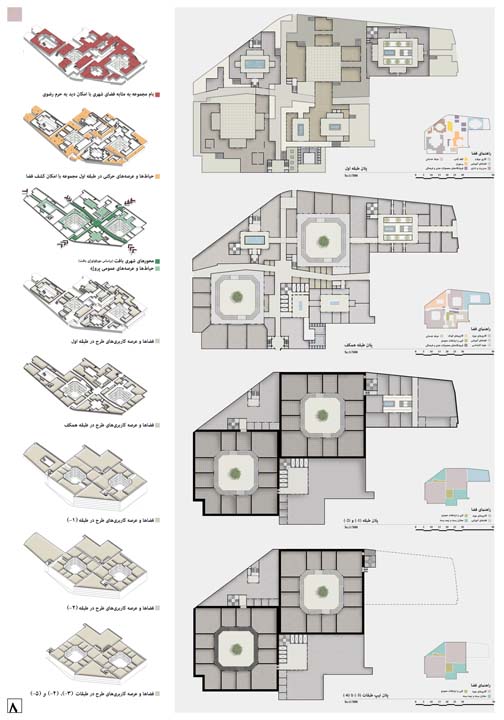
1. How can the surrounding urban fabric be reconnected to the shrine complex?
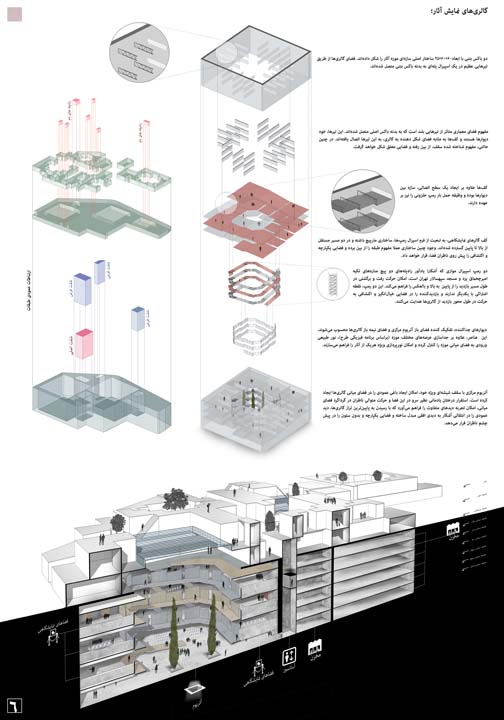
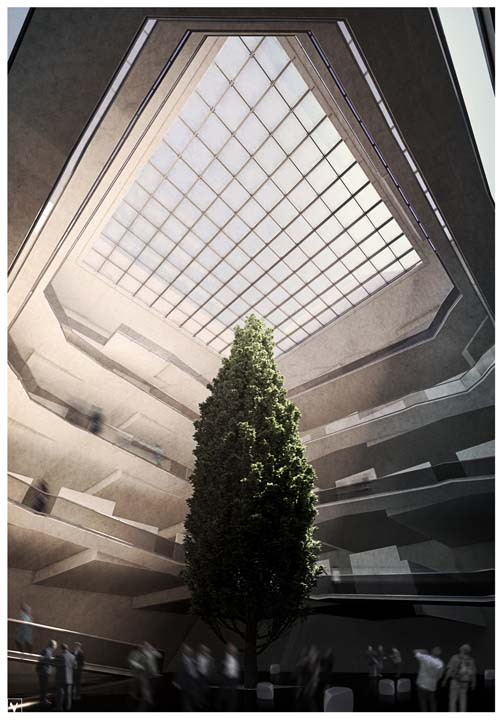
2. Can the sequence of courtyards found in lost historic houses be reinterpreted and revived as part of an integrated contemporary complex?
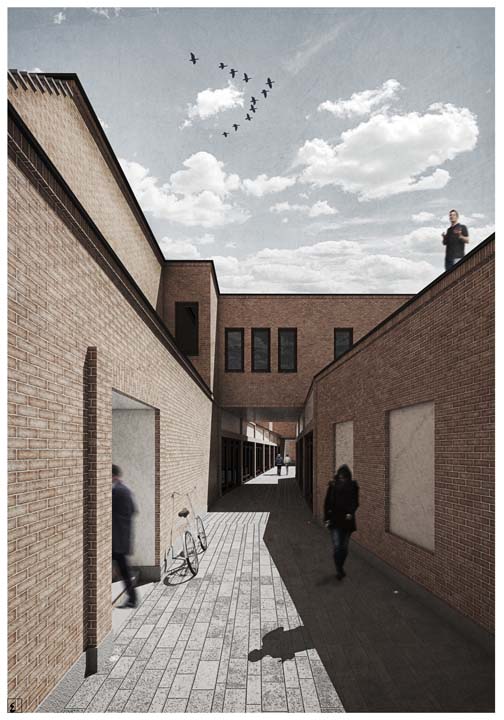
3. Can the new intervention restore a human scale that invites wandering, pause, and gradual discovery, echoing the spatial experience of the historic city?
This was my second project with the Emarat Khorshid Company. For this competition proposal, I contributed to the modeling and presentation of the design..